



Wigs have become popular fashion accessories and tools for basically everyone who wants variety. To look natural and last they need care and maintenance just like our own hair, wigs are no different. Just like our natural hair needs regular attention to look good, so do wigs (especially lace wigs which look and feel realistic but require special care).
In this section we will talk about wig care (lace wigs especially) and why it is important to take good care of your wig. Knowing how to properly maintain your wig not only extends the life of your investment but also keeps your wig looking fresh and vibrant. If you are a seasoned wig wearer or new to wigs, learning how to care for your lace wig will help you look flawless and keep it in good shape over time.
From what materials lace wigs are made of to how to clean your wig properly, this guide will give you the tools you need to keep your wig looking its best. Come with us as we go into specifics on lace wig care and maintenance so that you can wear your beautiful hairpiece with confidence.
Types of Lace Used in Wigs
The lace material used in wigs is important for appearance as well as functionality. What types of lace are used to construct wigs? Why do we use them? What issues can arise with them and how do you deal with them? These questions need answers if you want to take care of your wig properly
There are many types of lace used in wig construction (some have specific characteristics and benefits). The most common ones are:
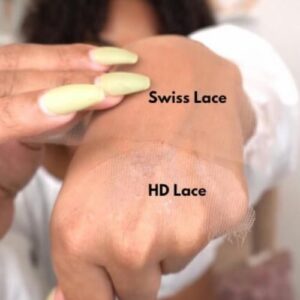
- Swiss Lace: Fine and soft, Swiss lace is light weight and has a natural hairline. It’s durable and blends well with different skin tones.
- French Lace: Slightly thicker than Swiss lace, French lace offers more structure and durability for full wigs or those that need support. It may be less breathable but it has great coverage and is generally more resistant to wear and tear.
- HD Lace (High Definition Lace): This newer type of lace is ultra thin and almost invisible so the hairline looks incredibly realistic. HD lace is great for people who want a flawless look because it can be adjusted to different skin tones and makes an undetectable hairline. It’s delicate so care needs to be taken when handling.
- Polyurethane (PU) Lace: This isn’t a lace but it does provide a different way to construct wigs. PU is used in combination with lace so that extra durability and waterproof barrier are provided. It’s usually better suited for people who wear their wigs in less than ideal conditions.
Importance of Lace in Wig Appearance
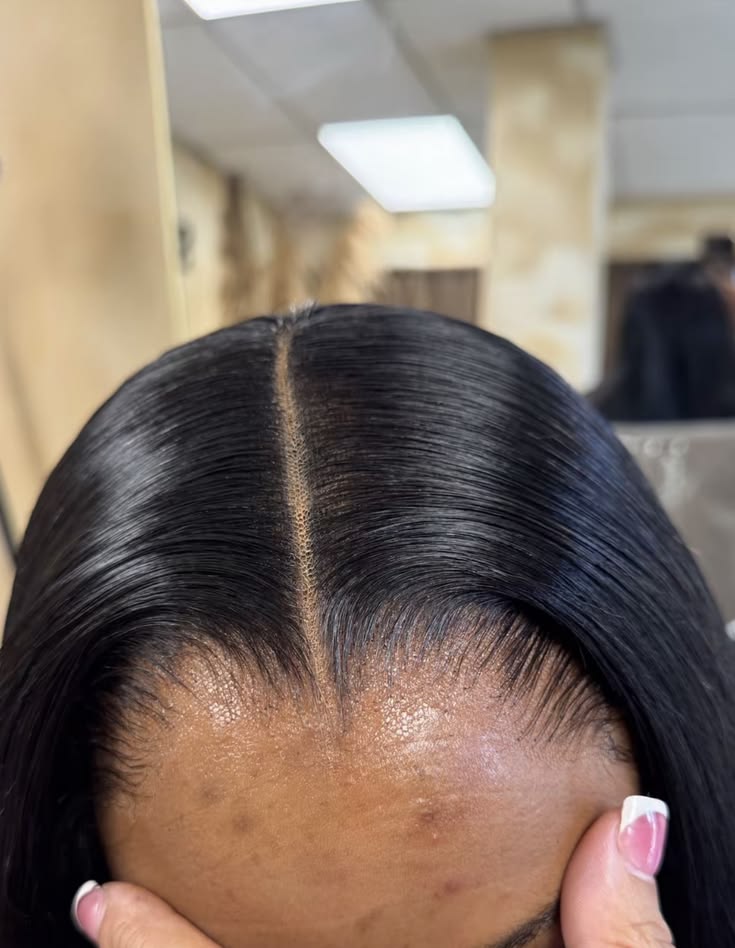
The lace material is what makes wigs natural looking. Lace is the base on which hair strands are attached and so a wig made from lace will look like hair growing directly out of the scalp. A well constructed lace front or full lace wig can give the appearance of a real hairline so wearers can style their wigs away from the face without showing any artificiality.
The quality of the lace also determines how comfortable and wearable the wig is. Softer, more breathable lace materials reduce irritation and allow longer wear times so they are better suited for everyday use. The type of lace also affects how versatile a wig can be stylistically (some types allow more options than others).
Common Issues with Lace Wigs
Although lace wigs have many advantages there are also some problems with them. Some of the common issues are:
- Tearing or Damage: Lace is a delicate material and can tear if not handled properly. If worn regularly, stored improperly or cleaned in rough manner the wig will show damage which will affect appearance and longevity of the wig
- Buildup of Products: Hair products, adhesives and sweat can build up on the lace over time causing discoloration and less natural look. Regular cleaning is required to avoid buildup and keep the lace transparent.
- Discoloration and Staining: Sweat, oils from the scalp and environmental factors can discolor lace. This makes the wig less realistic and may require more frequent cleaning or even replacement if not properly managed.
- Poor Adhesion: If adhesives are not applied or removed properly then the edges of the lace will lift causing the wig to lose its natural look. Learning how to apply and remove wigs correctly can help avoid this issue.
Knowing what properties lace materials have and any issues that may arise is important for keeping your wig looking fresh and natural. By choosing the right type of lace and following proper care techniques you can be sure your wig will look good years from now!
At Turning Heads Salon, you need not worry about being the wig expert to get an expertly made wig, get in touch with us, share your vision and sit back.
We are a full wig service salon (make, revamp, clean, and install), anything concerning your expensive wig, can be entrusted with us.